
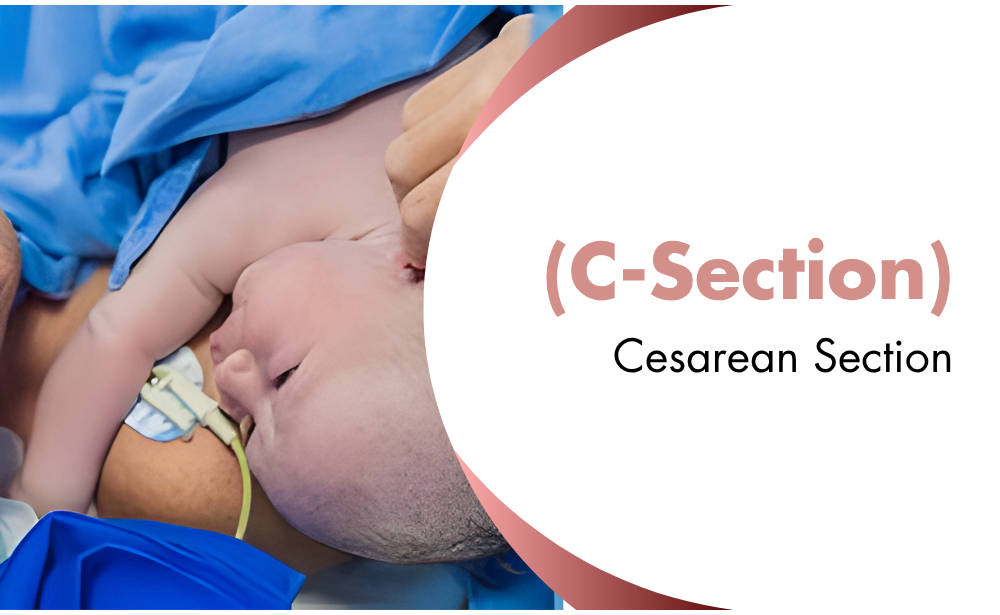
Cesarean Section (C-Section)
A Cesarean section, commonly known as a C-section, is a surgical procedure in which a baby is delivered through incisions made in the mother’s abdomen and uterus. While normal vaginal delivery is usually preferred for its natural benefits, there are situations where a C-section is the safest option for either the mother, the baby, or both. Cesarean delivery is a well-established, safe procedure when performed under the supervision of an experienced obstetrician, ensuring the best outcomes for families.
When is a Cesarean Section Recommended?
Dr. Abhilasha Mehta emphasizes that the decision for a C-section is always based on medical necessity, prioritizing the safety and wellbeing of both mother and child. Common indications include:
- Fetal Distress: When the baby’s heart rate or oxygen supply indicates stress during labor, an immediate C-section may be necessary to prevent complications.
- Prolonged or Obstructed Labor: If labor is not progressing despite medical interventions, surgical delivery ensures the safety of both mother and baby.
- Placental Complications: Conditions like placenta previa (where the placenta covers the cervix) or placental abruption (premature separation) can make vaginal delivery risky.
- Multiple Pregnancies: Twins, triplets, or higher-order multiples often require Cesarean delivery due to positioning or other complications.
- Previous C-Sections or Uterine Surgery: Women with a history of uterine surgery may need a repeat Cesarean to prevent risks like uterine rupture.
- Maternal Health Conditions: Chronic conditions such as hypertension, diabetes, heart disease, or infections may necessitate a planned or emergency C-section for safety.
Dr. Mehta’s Approach to Cesarean Delivery
Dr. Mehta ensures that every Cesarean procedure is performed with meticulous attention to safety, hygiene, and patient comfort. Her approach is centered on transparency, education, and emotional support:
- Patient Counseling: Before the procedure, Dr. Mehta discusses the reasons for surgery, the steps involved, possible risks, and expected outcomes. She ensures both the mother and family understand the process and feel confident in the care plan.
- Surgical Expertise: The procedure is carried out in a sterile operating theater using modern surgical techniques to minimize risks and complications. Pain control, anesthesia, and fetal monitoring are carefully managed throughout.
- Personalized Care: Every case is treated individually, taking into account the mother’s medical history, baby’s condition, and any special needs.
Post-Surgery Care and Recovery
Recovery after a Cesarean section requires careful attention to ensure the mother regains strength and maintains overall health:
- Pain Management: Effective pain relief strategies, including medications and non-pharmacological methods, help mothers remain comfortable during recovery.
- Wound Care: Proper monitoring and care of the surgical incision prevent infection and promote faster healing. Dr. Mehta educates mothers on hygiene and care techniques.
- Physical Recovery: Gentle exercises and guidance on mobility help prevent complications like blood clots, support abdominal healing, and restore normal activity gradually.
- Breastfeeding Support: Assistance with positioning and latching ensures successful breastfeeding despite post-surgical discomfort.
- Emotional Support: Dr. Mehta provides counseling and guidance to manage the emotional aspects of surgical birth, including stress, anxiety, and postpartum mood changes.
- Follow-Up Care: Regular check-ups are scheduled to monitor wound healing, assess overall recovery, and address any concerns for both mother and baby.
Safety and Trust
Dr. Mehta believes that Cesarean delivery, when medically necessary, is a safe and empowering option. By combining surgical expertise with compassionate care, she ensures that mothers feel informed, supported, and confident throughout the entire process. The focus is always on achieving the best outcomes while maintaining dignity, comfort, and emotional well-being for both mother and baby.
