
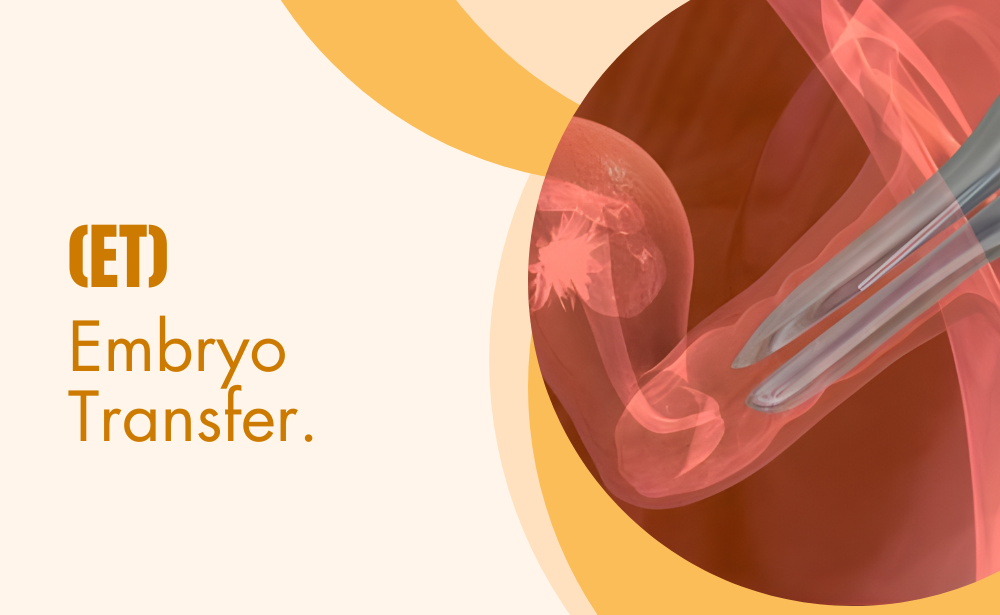
Embryo Transfer (ET)
Embryo Transfer (ET) is one of the most crucial and delicate steps in the IVF journey. It marks the moment when a carefully developed embryo is placed into the uterus with the hope of achieving a successful pregnancy. While the earlier stages of IVF focus on egg retrieval and fertilization, embryo transfer is where everything comes together—making it a highly precise and emotionally significant procedure.
\r\n\r\n
This step requires not only medical expertise but also perfect timing and a well-prepared uterine environment to maximize the chances of implantation.
\r\n\r\n
\r\n\r\n
🔬 What is Embryo Transfer?
\r\n\r\n
Embryo Transfer is a procedure in which one or more healthy embryos, created in the laboratory, are gently introduced into the uterus. The goal is for the embryo to attach to the uterine lining (implantation) and develop into a pregnancy.
\r\n\r\n
It is typically performed 3 to 5 days after fertilization, depending on the stage of embryo development (cleavage stage or blastocyst stage). The process is simple, quick, and does not involve surgery.
\r\n\r\n
\r\n\r\n
⚙️ Step-by-Step Embryo Transfer Process
\r\n\r\n
1. Preparation of the Uterus
\r\nBefore the transfer, the uterine lining (endometrium) is prepared using hormonal medications to ensure it is thick and receptive for implantation.
\r\n\r\n
2. Selection of the Best Embryo
\r\nEmbryologists carefully evaluate embryos based on their quality, growth, and structure. The healthiest and most viable embryo(s) are selected for transfer.
\r\n\r\n
3. The Transfer Procedure
\r\nA thin, soft catheter is used to gently place the embryo into the uterus through the cervix. Ultrasound guidance is often used to ensure accurate placement in the optimal location.
\r\n\r\n
4. Post-Transfer Care
\r\nAfter the procedure, patients are usually advised to rest briefly. Normal daily activities can typically be resumed soon after, with some precautions as advised by the doctor.
\r\n\r\n
\r\n\r\n
🌟 Key Features of Embryo Transfer
\r\n\r\n
• Simple, quick, and minimally invasive procedure
\r\n• Usually painless and comfortable for most patients
\r\n• No anesthesia required in the majority of cases
\r\n• Completed within just a few minutes
\r\n• Does not require hospital admission
\r\n• Performed under ultrasound guidance for precision
\r\n• Minimal recovery time with immediate return to routine activities
\r\n\r\n
\r\n\r\n
📈 Factors Affecting Success
\r\n\r\n
The success of embryo transfer depends on multiple important factors:
\r\n\r\n
• Embryo Quality: High-quality embryos have a greater chance of implantation
\r\n• Uterine Environment: A healthy, well-prepared uterine lining is essential
\r\n• Timing: Synchronization between embryo development and uterine receptivity is critical
\r\n• Maternal Age: Younger age is generally associated with higher success rates
\r\n• Lifestyle Factors: Stress, diet, and overall health can influence outcomes
\r\n• Medical Expertise: Precision in placement and technique plays a major role
\r\n\r\n
\r\n\r\n
🧘♀️ After the Embryo Transfer
\r\n\r\n
The period following embryo transfer, often called the “two-week wait,” can be emotionally challenging. During this time:
\r\n• Hormonal support medications may be prescribed
\r\n• Mild symptoms like spotting or cramping can occur
\r\n• A pregnancy test is usually done after 10–14 days
\r\n• Emotional support and stress management are important
\r\n\r\n
It’s important to stay positive while also maintaining realistic expectations, as implantation is a complex biological process.
\r\n\r\n
\r\n\r\n
💡 Why Embryo Transfer is So Important
\r\n\r\n
Even with high-quality embryos, successful implantation depends on the precision and care taken during the transfer. A well-executed embryo transfer significantly improves the chances of pregnancy and is often considered an art backed by science.
\r\n\r\n
Advancements in imaging and catheter technology have further enhanced the accuracy and outcomes of this procedure.
\r\n\r\n
\r\n\r\n
👩⚕️ Expert Care for Better Outcomes
\r\n\r\n
Dr. Abhilasha Mehta ensures that each embryo transfer is performed with the highest level of precision and care. From selecting the best-quality embryos to ensuring optimal uterine conditions and exact placement, every step is handled meticulously to improve implantation success rates.
\r\n\r\n
Her patient-focused approach, combined with clinical expertise and emotional support, helps patients feel confident and supported during this crucial stage of their fertility journey.
