
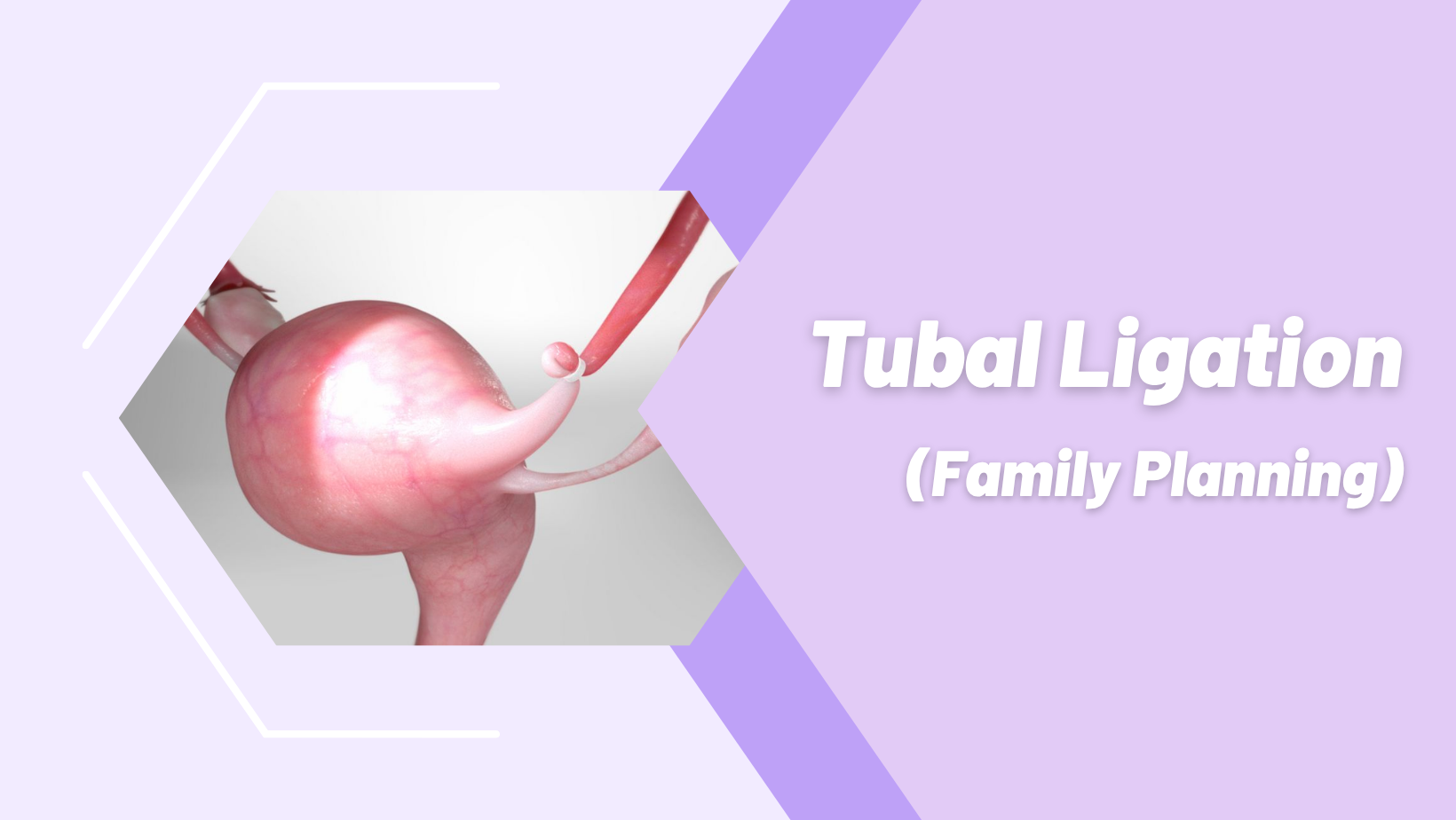
Tubal Ligation (Family Planning)
Tubal ligation, commonly referred to as female sterilization, is a permanent and highly effective method of contraception. The procedure involves blocking, tying, or sealing the fallopian tubes to prevent eggs from reaching the uterus for fertilization, thereby ensuring long-term pregnancy prevention. Tubal ligation is an important option in family planning, offering women a reliable, one-time solution for birth control.
Who Should Consider Tubal Ligation
Tubal ligation is generally recommended for women who:
- Have Completed Their Family: Women who do not wish to have more children often choose this procedure as a permanent birth control method.
- Seek Long-Term, Permanent Contraception: It provides lifelong pregnancy prevention without the need for ongoing interventions such as pills, injections, or intrauterine devices (IUDs).
- Require a Safe, Non-Hormonal Option: Unlike hormonal contraceptives, tubal ligation does not affect menstrual cycles or hormonal balance, making it suitable for women sensitive to hormonal changes.
Benefits of Tubal Ligation
Tubal ligation offers several advantages, making it a preferred choice for permanent contraception:
- Highly Effective and Permanent: Once performed successfully, the risk of pregnancy is extremely low.
- No Ongoing Maintenance Required: Unlike other contraceptive methods, there is no need for daily pills, periodic injections, or device replacements.
- Does Not Affect Hormonal Balance: Menstrual cycles and natural hormone levels remain unchanged.
- Minimally Invasive Options Available: Most procedures are performed laparoscopically, with small incisions, minimal scarring, and faster recovery.
- Reduces Anxiety About Unplanned Pregnancy: Provides peace of mind for women and their families.
Procedure Overview
Tubal ligation is typically performed under local or general anesthesia, depending on the patient’s health and preference. Common techniques include:
- Laparoscopic Tubal Ligation: Small incisions are made in the abdomen to access the fallopian tubes using a camera and specialized instruments. This method offers quicker recovery and minimal scarring.
- Mini-Laparotomy or Postpartum Tubal Ligation: Sometimes performed immediately after childbirth through a small incision near the abdomen.
- Tubal Occlusion or Clip Method: Fallopian tubes may be blocked or clipped to prevent egg fertilization without removing them entirely.
Expert Care and Counseling
Dr. Abhilasha Mehta provides comprehensive counseling and personalized care for women considering tubal ligation:
- Informed Decision-Making: Patients are fully educated about the procedure, benefits, risks, and alternatives.
- Pre-Procedure Assessment: Health evaluation to ensure safety and suitability for the procedure.
- Minimally Invasive Techniques: Performed with precision to minimize pain, scarring, and recovery time.
- Postoperative Guidance: Instructions for care, activity restrictions, and follow-up to ensure smooth recovery.
Recovery and Post-Procedure Care
Recovery from tubal ligation is generally quick:
- Mild abdominal discomfort or cramping may occur for a few days.
- Most women can return to normal activities within 1–2 days, depending on the procedure type.
- Patients are advised to monitor for signs of infection or unusual symptoms and report them promptly.
- Long-term follow-up may include a brief evaluation to ensure proper healing and confirm the effectiveness of the procedure.
Holistic Benefits of Tubal Ligation
By offering permanent contraception in a safe, minimally invasive, and highly effective manner, tubal ligation allows women to:
- Take control of their reproductive choices
- Avoid the stress of unplanned pregnancies
- Preserve natural hormonal balance
- Lead a worry-free, active, and empowered life
Dr. Abhilasha Mehta ensures that every woman undergoing tubal ligation receives expert surgical care, emotional support, and clear guidance throughout the process, emphasizing safety, comfort, and reproductive autonomy.
