
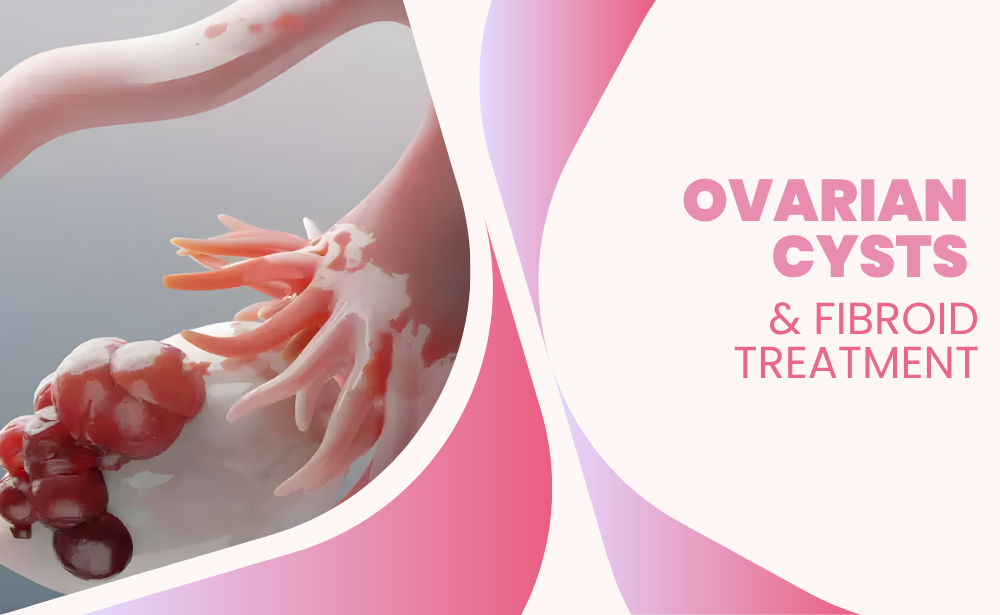
Ovarian Cysts & Fibroid Treatment
Ovarian cysts and uterine fibroids are among the most common gynecological conditions affecting women of reproductive age. While many cases are benign and may resolve spontaneously, some can cause significant discomfort, interfere with daily life, or affect fertility. Early evaluation and appropriate management are essential to prevent complications and ensure optimal reproductive health.
Ovarian Cysts
Ovarian cysts are fluid-filled sacs that develop on or within the ovaries. They are relatively common, especially in women of reproductive age, and most are harmless. However, some cysts can cause symptoms or become problematic if they grow large or rupture. Common symptoms may include:
- Pelvic Pain: Persistent or intermittent discomfort in the lower abdomen or pelvis.
- Irregular Periods: Cycles may become irregular, shorter, or longer than usual.
- Bloating or Fullness: Some women experience abdominal swelling or a feeling of heaviness.
- Other Possible Symptoms: Nausea, pain during intercourse, or discomfort during bowel movements may also occur in some cases.
Uterine Fibroids
Fibroids, also known as leiomyomas, are non-cancerous growths that develop within the muscular wall of the uterus. While they are often asymptomatic, fibroids can sometimes cause significant physical and reproductive challenges. Symptoms may include:
- Heavy Menstrual Bleeding: Excessive bleeding during periods that can lead to anemia.
- Pelvic Pressure or Pain: A feeling of heaviness or discomfort in the lower abdomen or back.
- Frequent Urination: Large fibroids can press on the bladder, causing increased urination.
- Fertility Issues: Depending on size and location, fibroids can interfere with conception or pregnancy.
Comprehensive Evaluation and Diagnosis
Dr. Abhilasha Mehta provides a thorough evaluation to determine the type, size, and location of cysts or fibroids. This may include:
- Ultrasound and Diagnostic Imaging: High-resolution imaging helps accurately identify cysts and fibroids and monitor changes over time.
- Blood Tests and Hormonal Evaluation: In selected cases, these tests help identify underlying hormonal imbalances that may contribute to cyst formation or fibroid growth.
Personalized Treatment Options
Treatment is tailored to each patient based on symptoms, age, size of the growths, and future fertility goals. Options include:
- Medication to Manage Symptoms: Pain relievers, anti-inflammatory medications, or iron supplements may help manage discomfort or anemia associated with heavy bleeding.
- Hormonal Therapy: Hormonal treatments can regulate menstrual cycles, reduce heavy bleeding, and in some cases shrink fibroids or prevent new cysts from forming.
- Minimally Invasive Surgical Options:
- Laparoscopy: A keyhole surgery used to remove ovarian cysts with minimal recovery time.
- Myomectomy: Surgical removal of fibroids while preserving the uterus, ideal for women wishing to maintain fertility.
Holistic Patient Care and Follow-Up
Dr. Mehta emphasizes a patient-centered approach, ensuring that every treatment plan considers:
- The patient’s age and reproductive goals
- Symptom severity and impact on daily life
- Long-term reproductive and overall health
Patients are also guided on lifestyle measures, diet, and exercise routines that support gynecological health, manage symptoms, and prevent recurrence. Regular follow-up ensures early detection of changes, timely interventions, and continued support for reproductive wellness.
Through a combination of modern medical interventions, minimally invasive surgical options, and personalized care, Dr. Mehta helps women manage ovarian cysts and fibroids effectively, restoring comfort, function, and confidence in their reproductive health.
